
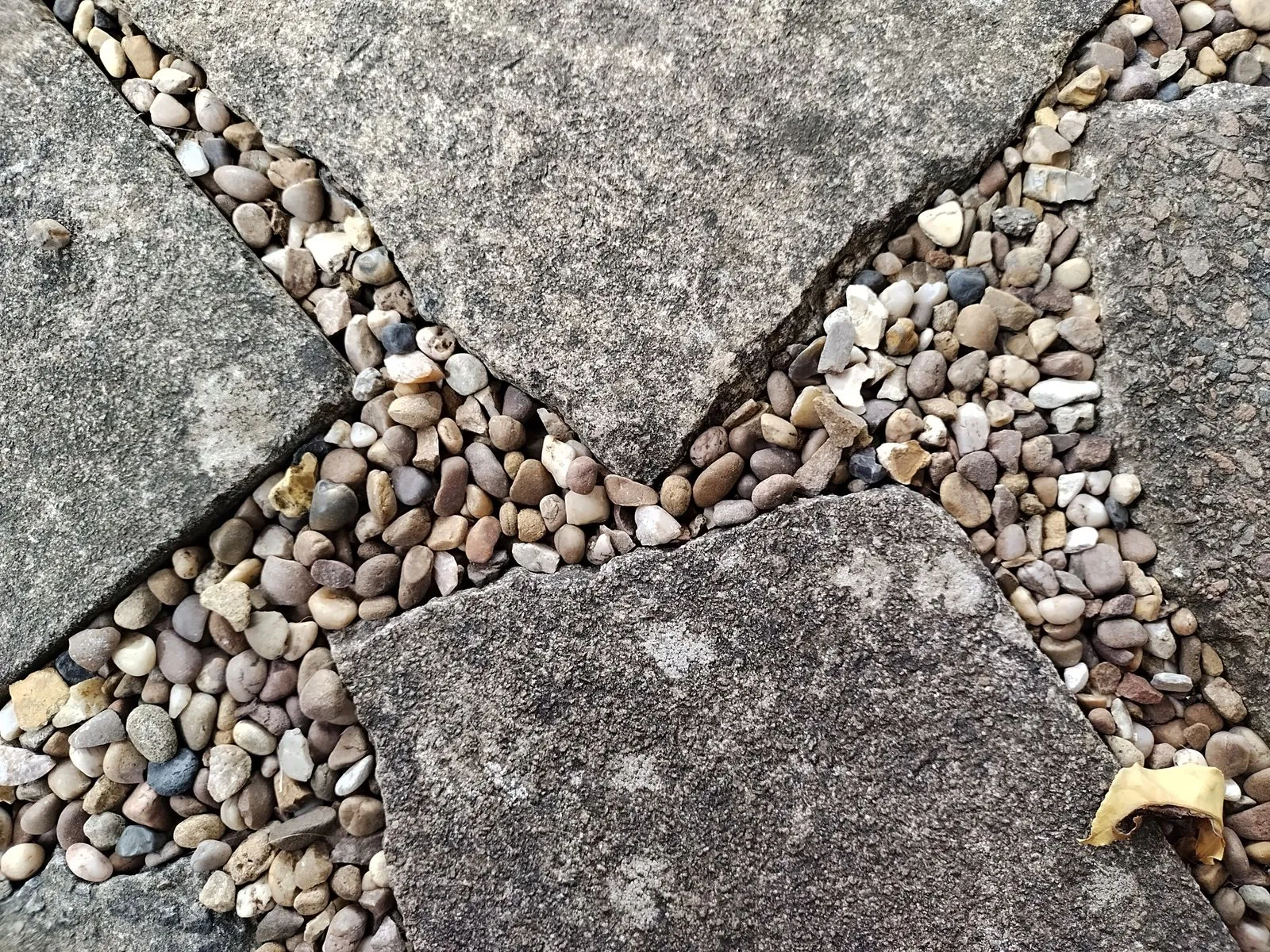
An exposed aggregate driveway puts the stones in the spotlight, so choosing a finish is part design decision and part practical planning. Color and texture affect how the driveway looks beside your home, while surface feel, drainage, and maintenance matter after the first impression. Start by looking at real samples in the light around your property, then consider how you use the driveway. A little comparison now can help you choose a finish you’ll enjoy pulling into every day.
Compare Colors in Context
Aggregate colors can range from pale creams and grays to warm browns and darker stones. Look for a combination that works with your home’s brick, siding, roof, and trim rather than choosing a sample on its own. A small board can look quite different across a full driveway, so ask to see a larger sample or a completed installation when possible.
Check samples outdoors at different times of day. Bright sun can make pale stones appear especially light, while shade may bring out cooler tones. Also consider how the finish will look beside garden beds, paths, and boundary walls. A balanced blend can connect these features without making the driveway compete with the house.
Choose a Comfortable Texture
Exposed aggregate texture depends on the size, shape, and distribution of the stones, as well as how much of each stone is revealed. A fine, even texture often gives a more restrained appearance; larger or more varied stones create a bolder pattern. Ask your contractor to explain how the sample relates to the planned installation, since workmanship affects the finished surface.
Think about who will walk and use the driveway. A rougher finish may provide useful grip, but very pronounced stones can feel less comfortable underfoot or when moving bins and wheeled items. Ask to walk on a representative sample if you can. For vehicle areas, discuss the intended use and appropriate finish with your contractor rather than judging traction from a photograph.
Plan for Drainage and Use
A good-looking surface still needs a sound plan for water. Ask how the driveway will slope, where rainwater will flow, and whether the design must meet local drainage requirements. The aggregate finish itself does not replace proper base preparation or drainage planning. Discuss thresholds, garages, paths, and any areas where water should not collect before work begins.
Consider how the driveway functions throughout the year. Note where vehicles turn or park, whether you need a clear route to the entrance, and how the surface meets existing paving. Ask about the proposed base, edge restraint, and any site preparation needed. These details help you compare quotes on the work included, not only on the visible stone blend.
Ask About Care and Samples
Ask what routine cleaning the chosen finish needs and how to deal with leaves, soil, and spills. Find out whether the contractor recommends a sealer, what it would change about the appearance, and how often it may need attention. Care guidance can vary with the materials and site, so get recommendations for the exact finish rather than relying on a general rule.
Before approving the color, confirm the stone blend, texture, borders, and overall layout in writing. Request a sample that reflects the proposed materials and ask how natural variation may affect the final result. If you’re comparing contractors, check that each quote describes the same preparation, drainage, finish, and cleanup. Oxford Aggregate Co. can help you discuss these choices for a project in Oxford.
The right exposed aggregate finish brings together a color you like, a texture suited to everyday use, and a well-planned base and drainage system. Compare samples outdoors, ask clear questions, and confirm the details before work starts. When you’re ready to explore options for your driveway, contact a qualified local contractor to talk through your site and finish choices.